In modern industrial logistics, warehouse optimization is no longer just about storing goods; it is a critical strategy to enhance supply chain resilience, reduce operational overhead, and integrate advanced automation frameworks like Automated Storage and Retrieval Systems (AS/RS). High-density storage is key. The transition from simple storage units to highly engineered structure setups reflects the requirements of modern third-party logistics (3PL) providers, high-throughput e-commerce fulfillment hubs, and heavy-duty manufacturing centers.
Today's supply chain requires structural integrity that complies with international standards, such as the Rack Manufacturers Institute (RMI) standards in North America and FEM regulations in Europe. A structural failure in a heavy-duty racking network can disrupt downstream processes and result in substantial financial liabilities. Industrial managers now demand certified load-bearing parameters, traceably sourced steel, and specialized powder-coating coatings to ensure durable and safe operations over many years.
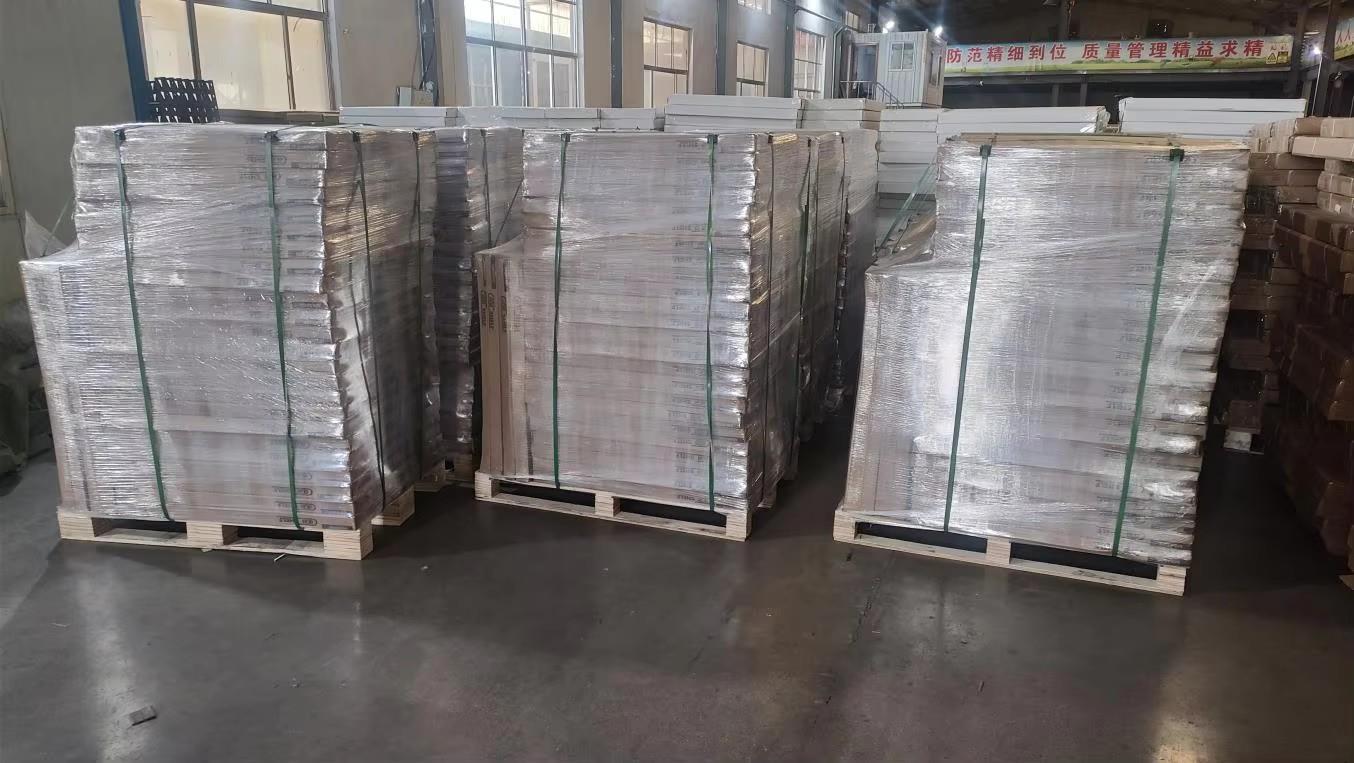
Established in 2015, Ningbo Xinyi Metal Products Co., Ltd. operates a state-of-the-art 38,000 square meter factory. We enforce strict structural and load safety standards to meet the operational demands of logistics facilities around the world.
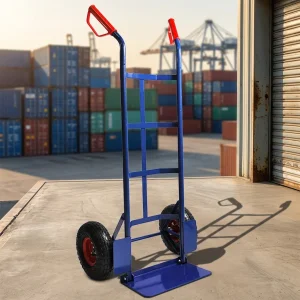
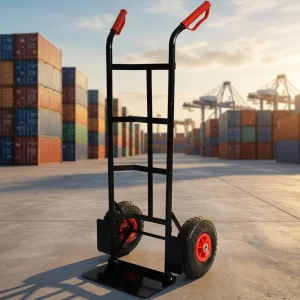
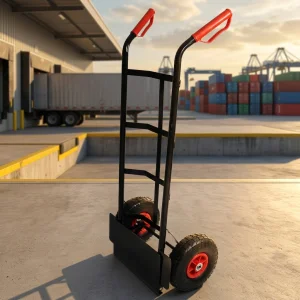
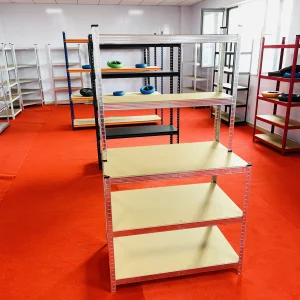
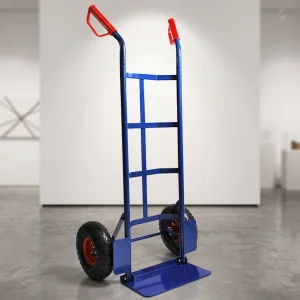
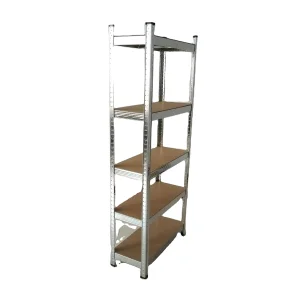
Backed by 11 years of industry expertise and 8 years of dedicated international trade experience, we ship structural pallet racking, rivet shelving, and platform trolleys across North America, Europe, Southeast Asia, and the Middle East.
Our engineering division houses 28 R&D professionals specializing in static calculation, seismic simulation, and modular structural layouts. We introduced 185 custom product configurations last year alone.
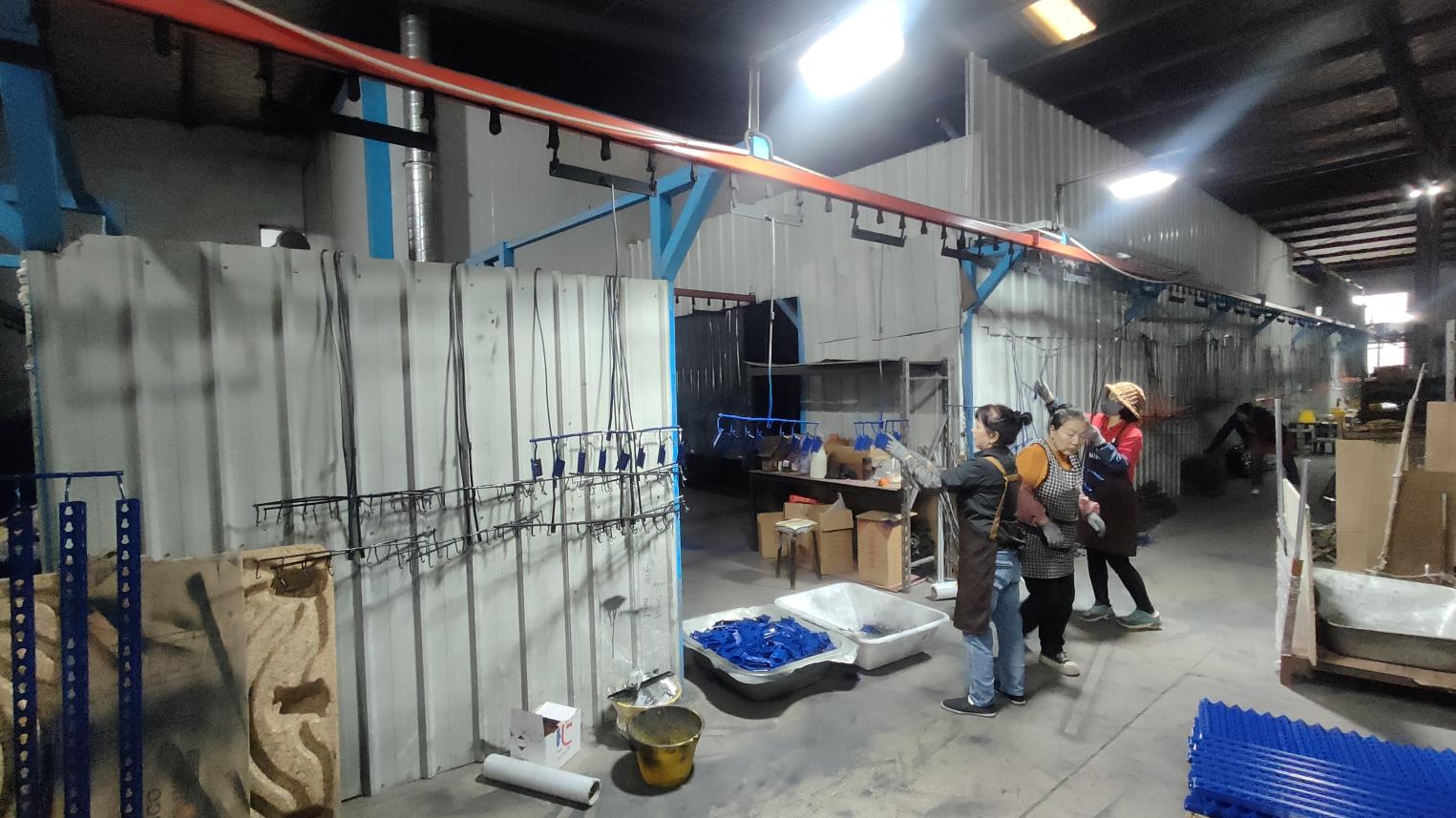
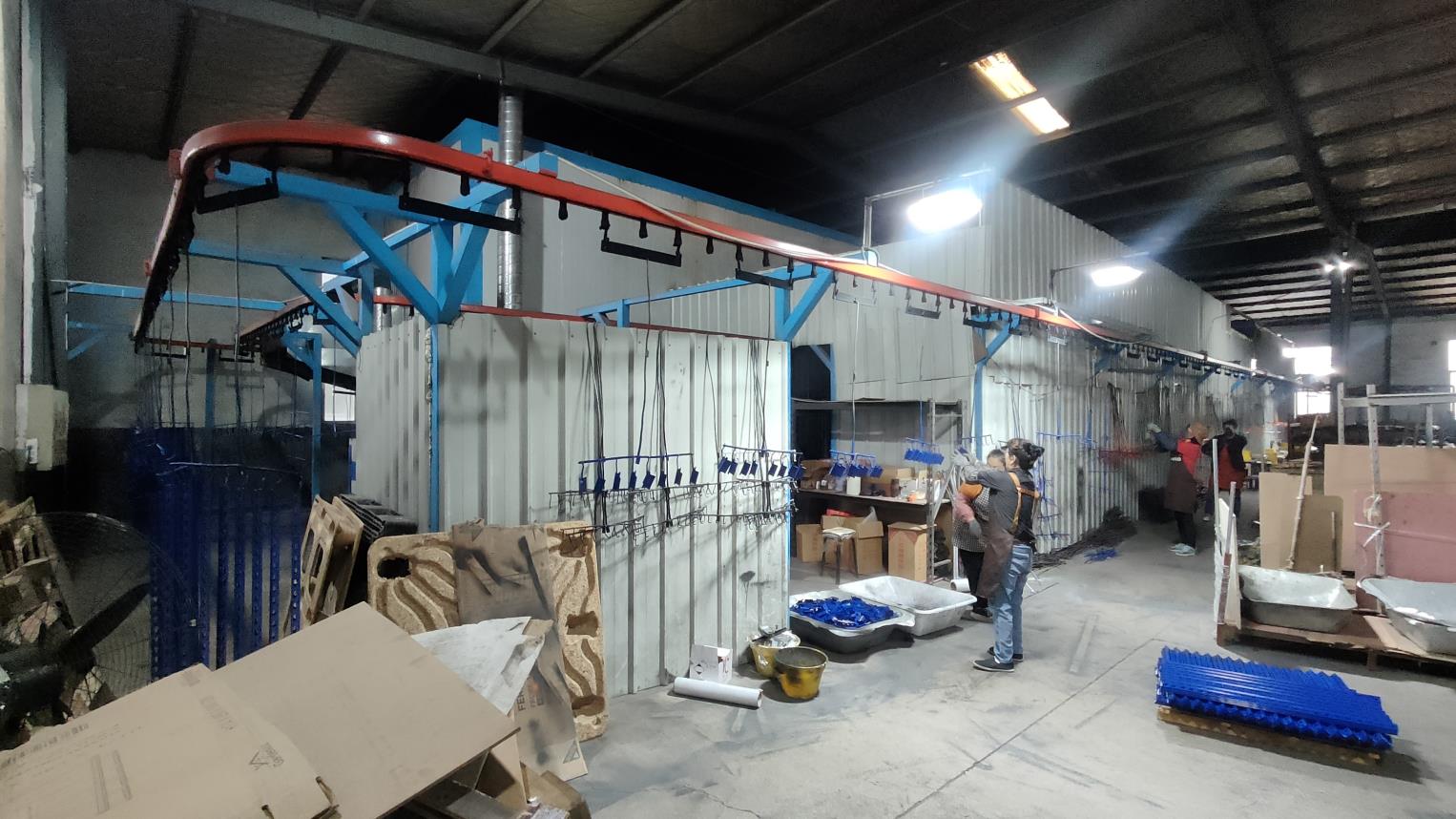
Quality control at Ningbo Xinyi is managed by 45 QA specialists. The plant relies on automatic welding, cold-roll forming, and automated powder coating to produce reliable structural steel warehouse racks.
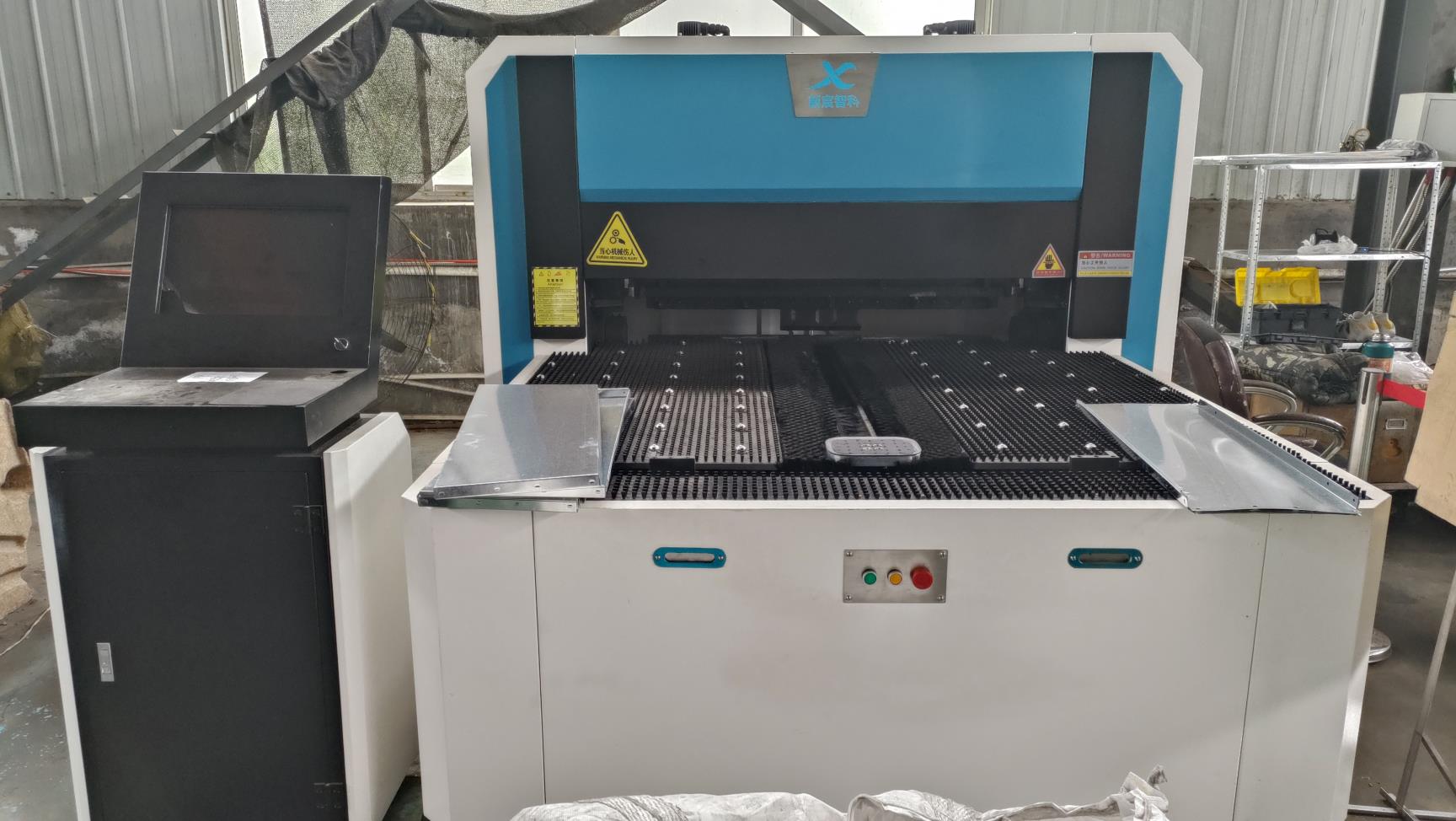
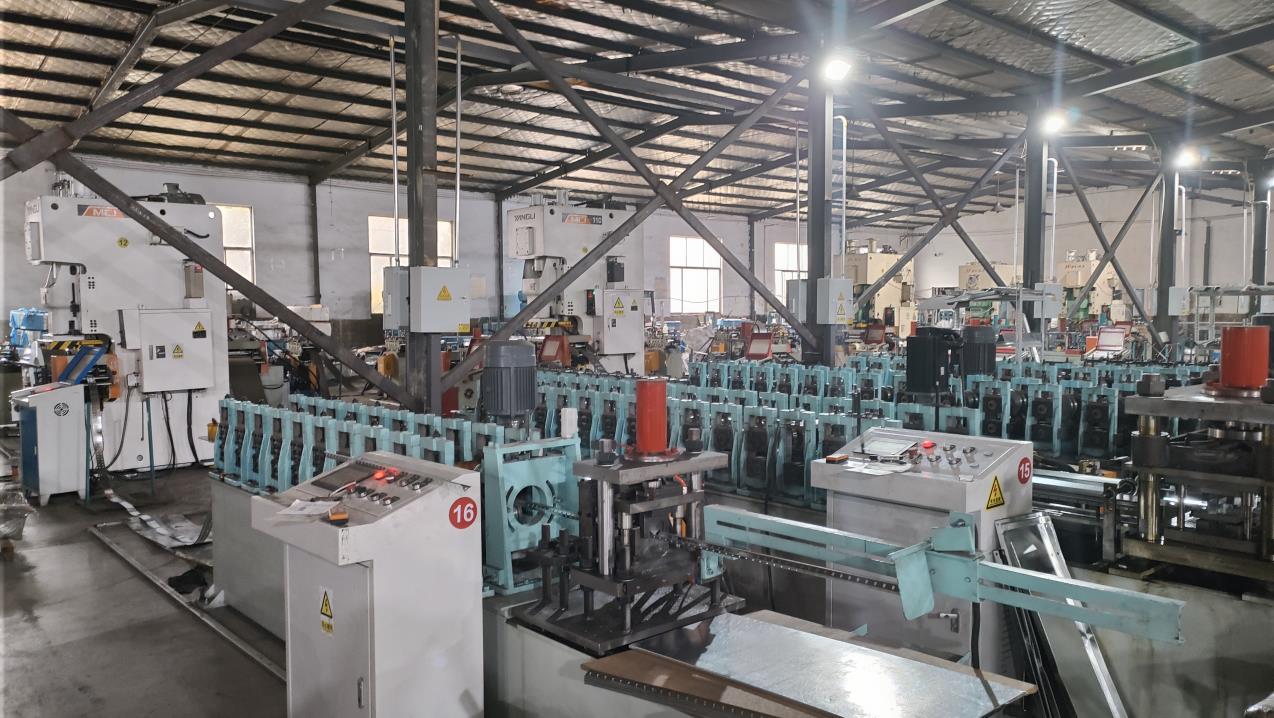
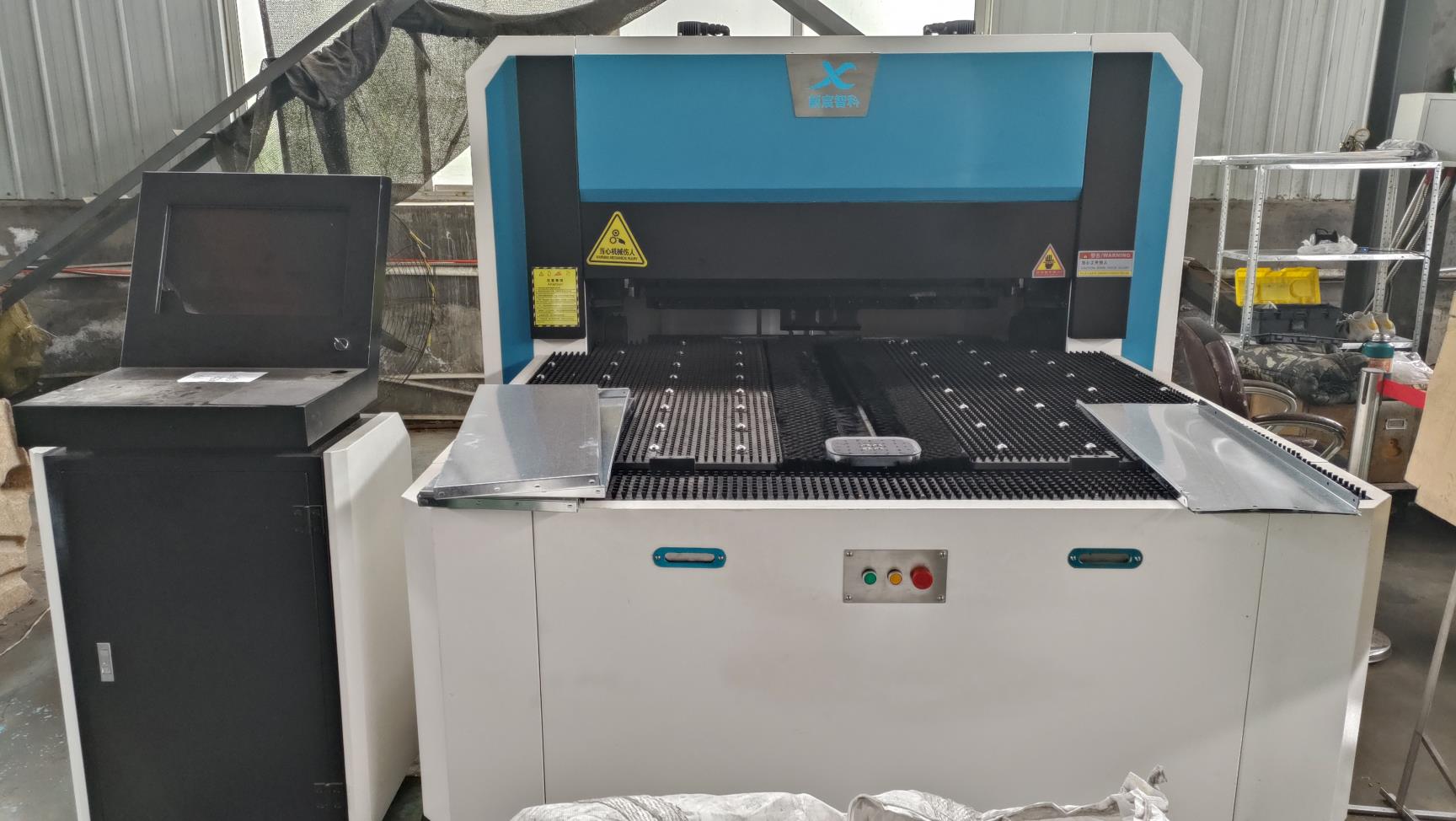
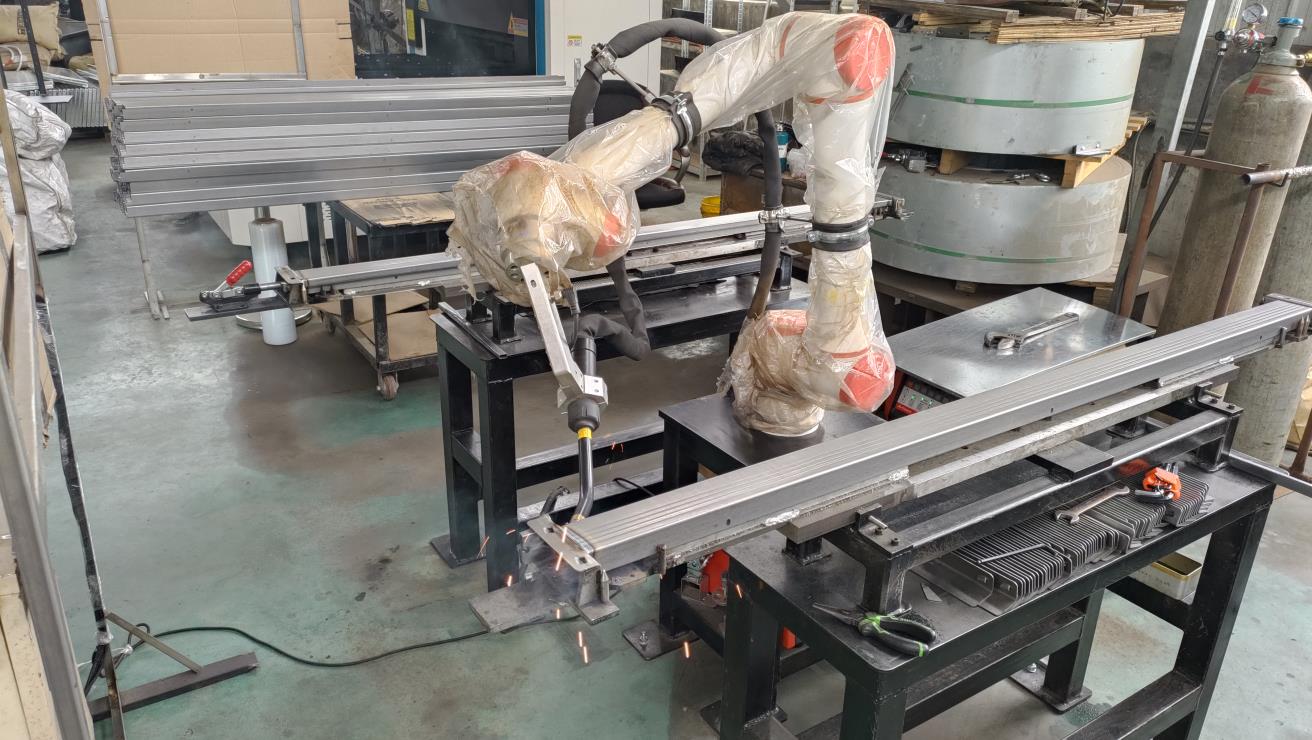
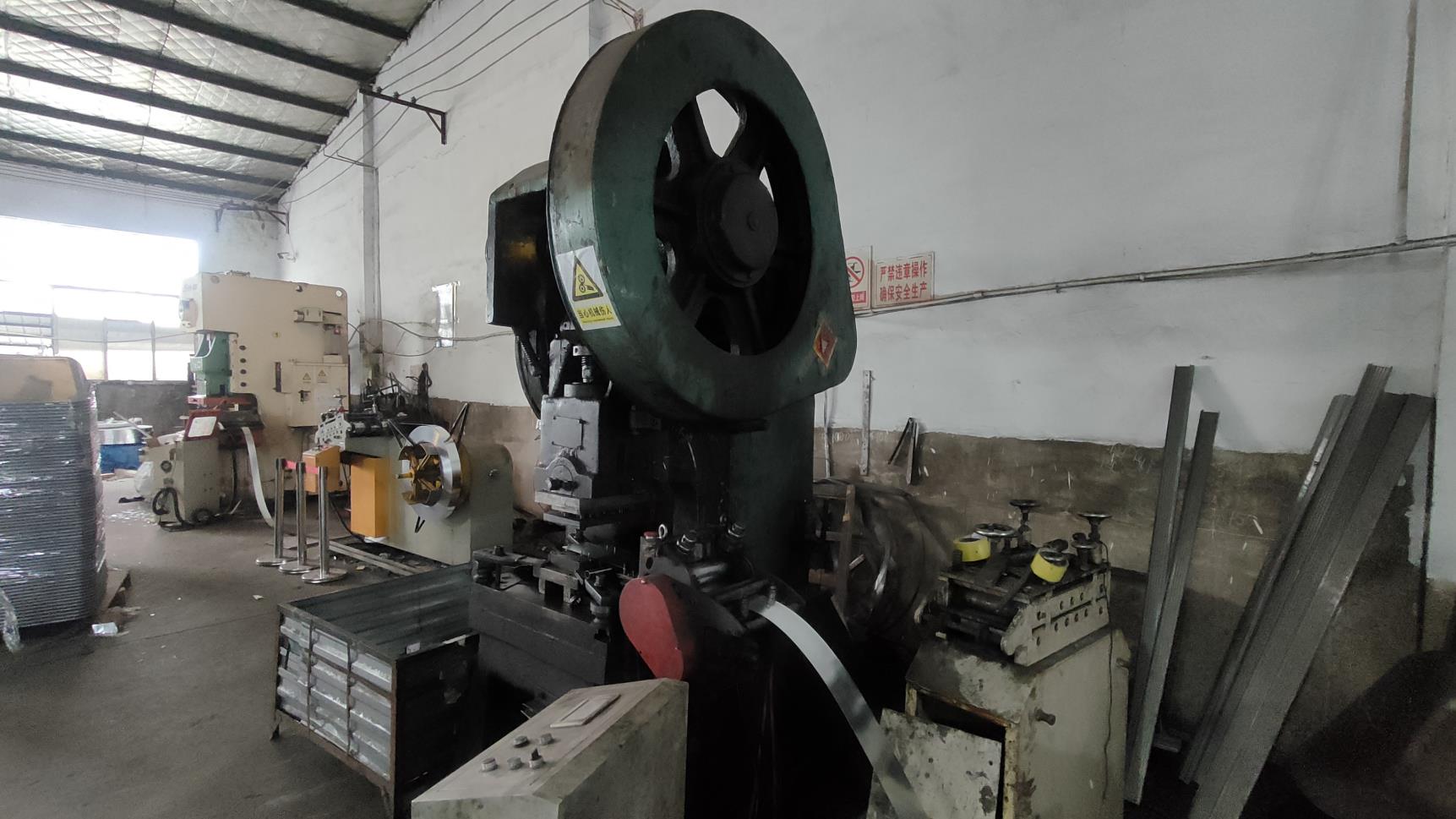
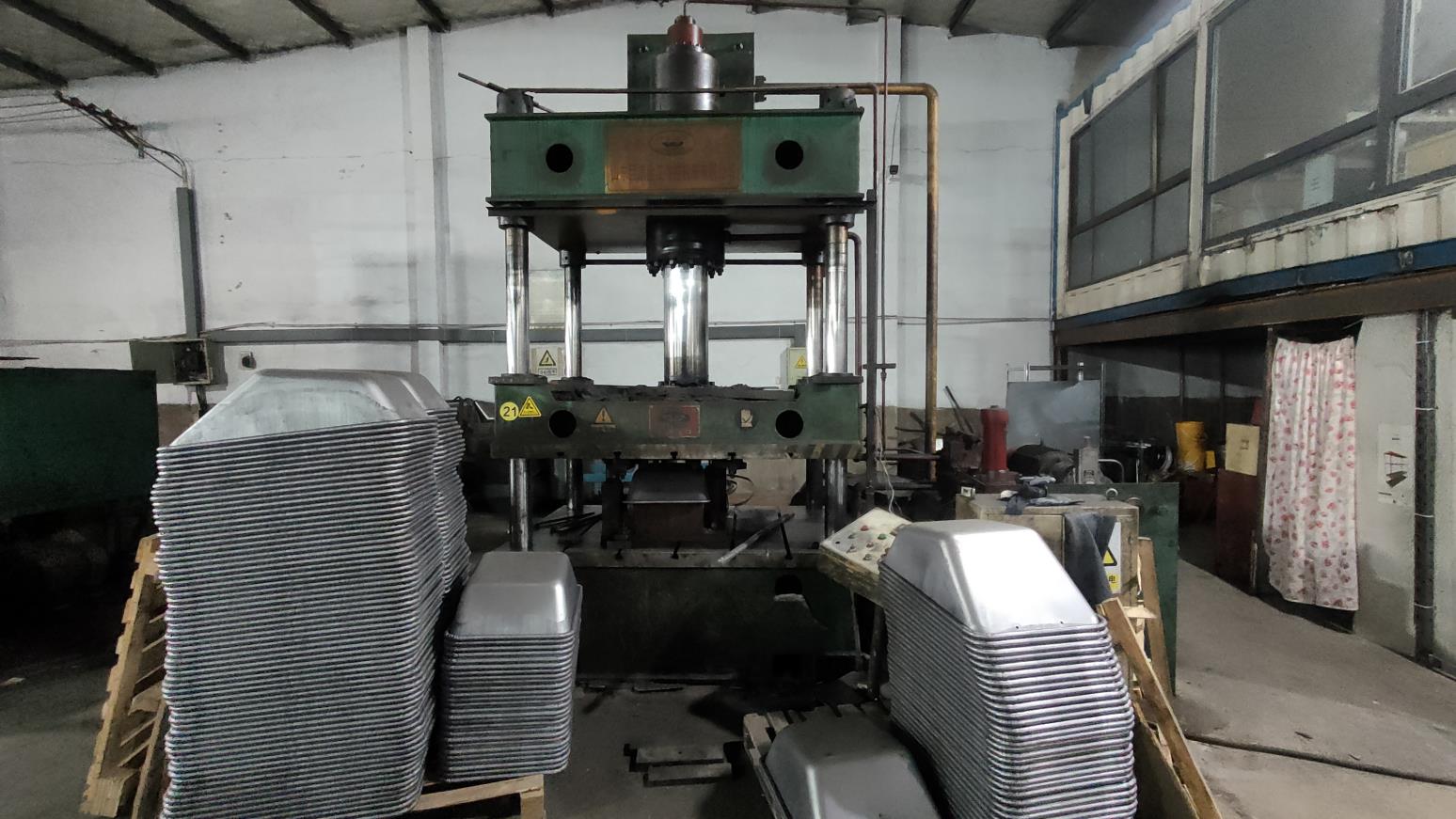
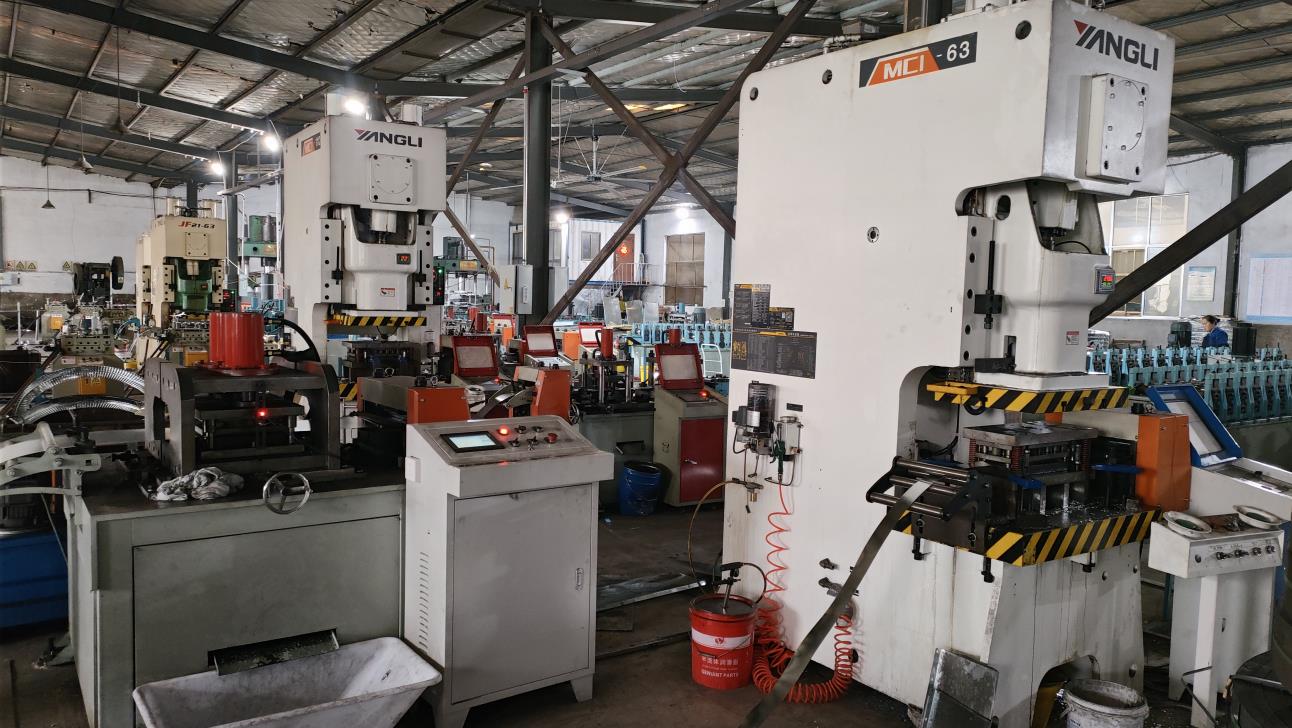
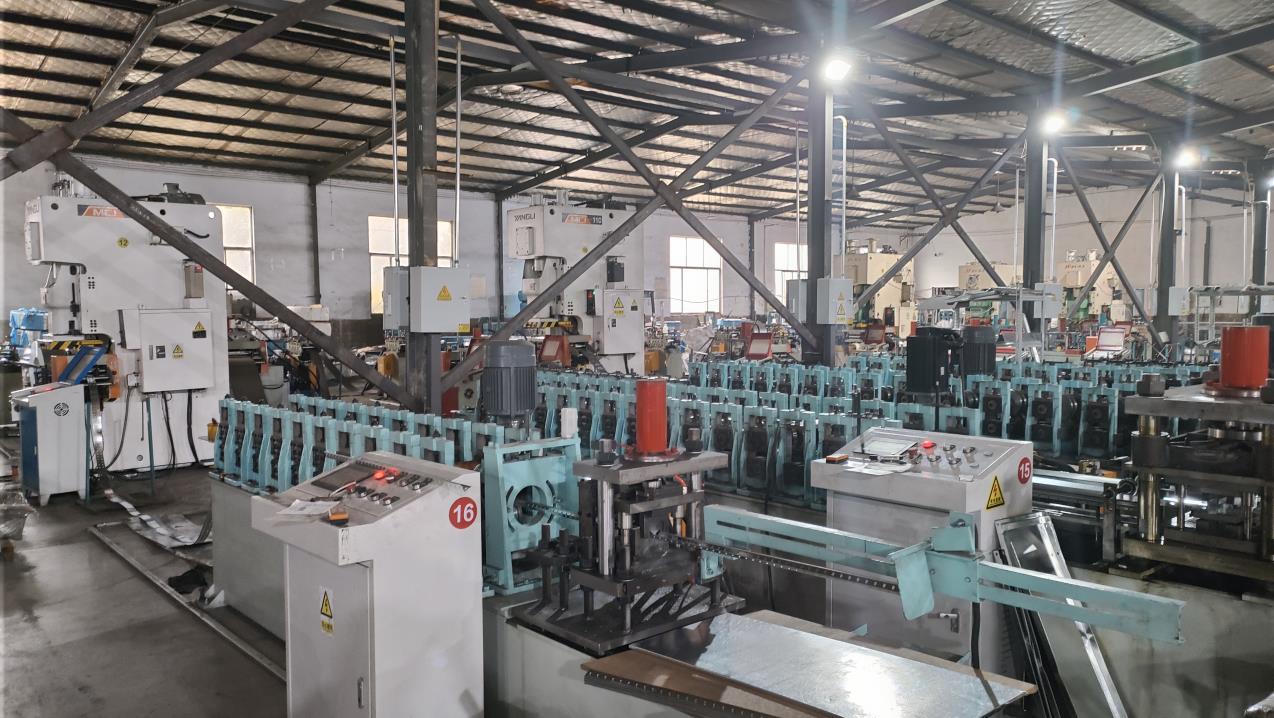
High-capacity structural systems require traceably sourced steel. In China, high-strength Q235B and Q355B carbon steels are the industry standards. These grades offer an optimal balance of tensile strength and ductility, which is essential to withstand sudden impacts from forklifts. Frame uprights and beam segments undergo precision roll-forming to ensure uniform thickness and eliminate structural stress points.
Determining load capacities involves calculating both static loads and dynamic operational loads. Beam design must factor in Uniformly Distributed Loads (UDL). Deflection ratio is another key limit; for example, the deflection limit for pallet racking under load is typically L/200 (where L is the length of the span). If a 2700mm beam deflects more than 13.5mm under load, it does not meet basic warehouse safety standards.
In humid or cold-storage environments, uncoated steel deteriorates quickly. The solution is multi-stage surface treatments:
Different regions require specific certifications:
Safety load ratings are verified through rigorous calculations and physical tests. Every batch of uprights and beams undergoes finite element analysis (FEA), load deflection testing (ensuring deflection stays below L/200), raw material tensile testing, and ultrasonic weld inspections. This process ensures compliance with global warehouse safety regulations.
We use high-grade structural carbon steel, primarily Q235B and Q355B (comparable to ASTM A36 and ASTM A572 Grade 50). These steels provide high yield strengths and good weldability, which are key for building reliable industrial racking networks.
Yes. Our R&D team of 28 engineers designs custom layouts for active seismic regions. Depending on local requirements, we adjust steel thicknesses, widen baseplates, integrate extra bracings, and specify heavier floor anchors.
Standard systems are manufactured in 20 to 30 days. Custom projects requiring custom roll profiling, specialized colors, or bespoke configurations typically require 35 to 45 days, depending on our production schedule.
Quality control is managed by a team of 45 QA professionals. We inspect incoming raw steel coils, monitor dimensions during forming, check weld penetration, measure powder coat thickness, and perform regular salt-spray corrosion tests.
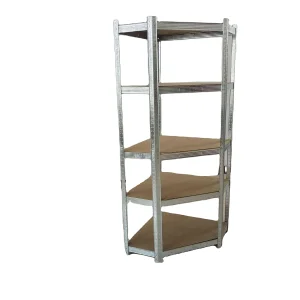
 Xinyi Racking