In the dynamic landscape of global trade, selecting the right shelving systems can be a significant challenge for buyers worldwide. According to industry expert Dr. Liang Wei, "The best shelving systems not only optimize space but also enhance operational efficiency." His insight underscores the importance of finding solutions that meet specific needs and preferences.
China is a leading hub for innovative shelving solutions. From versatile modular designs to heavy-duty options, the market offers a wide array of choices. However, navigating these options can be overwhelming for international buyers. It's crucial to understand the nuances of different shelving systems, as each design caters to unique requirements in various sectors.
Choosing the right system requires careful consideration. Buyers should weigh factors such as material durability, space utilization, and ease of assembly. Furthermore, trends in sustainability play a crucial role in today’s market. Balancing cost-effectiveness with quality and environmental impact is a key challenge. This landscape reflects the evolving nature of shelving systems, encouraging continual assessment and adaptation from buyers seeking the best solutions.
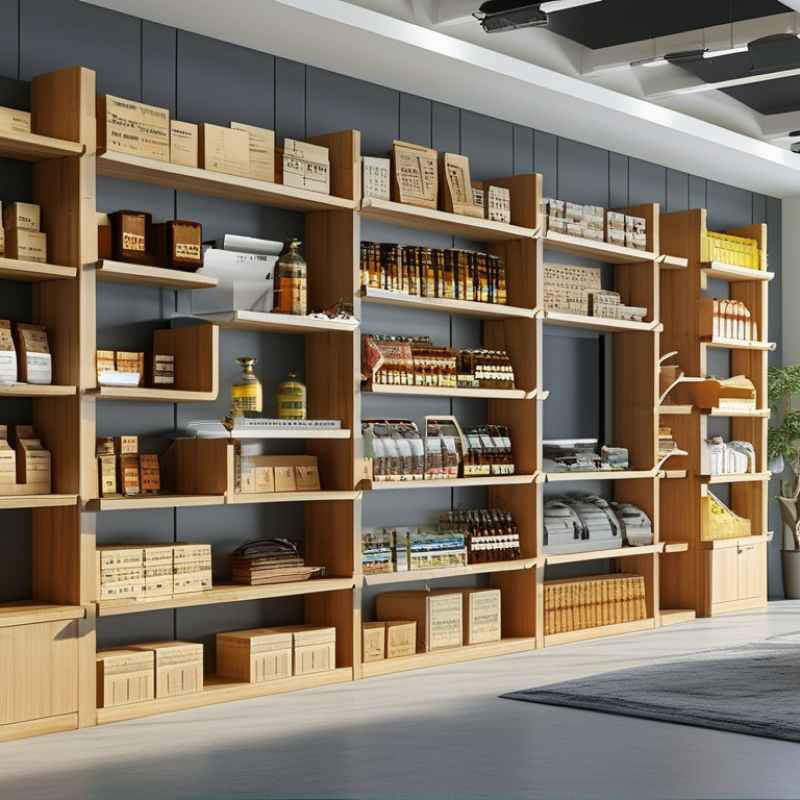
In recent years, China's shelving systems have gained attention from global buyers. These systems come in various designs, materials, and functionalities. Understanding the options available is crucial for making informed decisions.
When choosing a shelving system, consider the material. Metal shelves offer durability, while wood adds aesthetic appeal. Each material has its pros and cons. Assess your storage needs and choose wisely.
Before finalizing a purchase, check local suppliers. It’s beneficial to hear feedback from other buyers. User reviews can highlight potential issues that you might overlook. Also, think about the assembly process. Some systems are user-friendly, while others can be challenging to put together.
Customization is a key benefit of Chinese shelving systems. Many manufacturers offer tailored solutions to fit specific spaces. This flexibility can lead to better functionality. Remember to compare prices, but don’t compromise on quality. Your investment should provide long-term utility and satisfaction.
| Type | Material | Load Capacity (kg) | Dimensions (LxWxH, cm) | Customization Options | Price Range (USD) |
|---|---|---|---|---|---|
| Industrial Racking | Steel | 3000 | 100x60x200 | Yes | 200 - 500 |
| Heavy-Duty Shelving | Metal | 2000 | 90x45x180 | No | 150 - 400 |
| Wooden Shelving | Plywood | 500 | 80x40x160 | Yes | 100 - 300 |
| Modular Shelving | Plastic | 100 | 70x30x150 | Yes | 50 - 150 |
| Display Shelving | Glass | 200 | 60x40x180 | No | 300 - 600 |
| Corner Shelving | Metal | 150 | 60x60x160 | Yes | 80 - 250 |
| Mobile Shelving | Steel | 250 | 100x50x200 | No | 200 - 450 |
| Wall-Mounted Shelving | Wood | 100 | 120x20x100 | Yes | 50 - 200 |
| Rack Systems | Steel | 1200 | 120x60x200 | Yes | 300 - 700 |
: Shelving systems typically use metal, wood, or plastic. Each has unique advantages and disadvantages.
Weight capacity affects safety and functionality. Overloading can cause damage, so it's essential to assess needs accurately.
Adjustable shelves maximize storage efficiency. They allow for customization based on varying needs and preferences.
A shelving system's design impacts the overall look of a space. Mismatched styles can detract from decor harmony.
Sustainability, modular designs, and technology integration are key trends shaping consumer choices today.
Many struggle to find a balance. A visually stunning shelf may still lack practical features, requiring careful consideration.
This article provides a comprehensive overview of shelving systems in China, tailored for international buyers. It outlines essential criteria for selecting the best shelving solutions, considering factors such as durability, design, and cost-effectiveness. The top 10 shelving systems are highlighted, showcasing their unique features, benefits, and pricing structures, which cater to diverse business needs.
Additionally, the discussion delves into global trends that are influencing shelving system preferences, such as sustainability and space optimization. It also offers insights into the sourcing and importing process for shelving systems from China, providing practical guidance for buyers looking to enhance their storage solutions efficiently. Overall, this article serves as a valuable resource for global buyers seeking high-quality shelving systems that meet their requirements.

 Xinyi Racking