The demand for Automated Storage and Retrieval Systems (ASRS Systems) in China is growing rapidly. According to a recent report by the Chinese Logistics and Purchasing Federation, the ASRS market is expected to reach $8 billion by 2025, driven by advancements in automation and e-commerce. This surge highlights the importance of efficient inventory management.
Industry expert Dr. Li Wei states, “ASRS Systems are revolutionizing warehousing efficiency, reducing labor costs significantly.” His insights reflect a broader trend where global buyers seek reliable ASRS solutions from China. As companies aim for operational excellence, investing in these systems becomes increasingly critical.
However, with such rapid growth comes challenges. Not all ASRS Systems on the market are created equal. Buyers must carefully evaluate options to avoid pitfalls. Selecting the right system requires understanding specific needs. Ultimately, the right ASRS System can transform logistics, but the decision process demands thorough research and reflection.
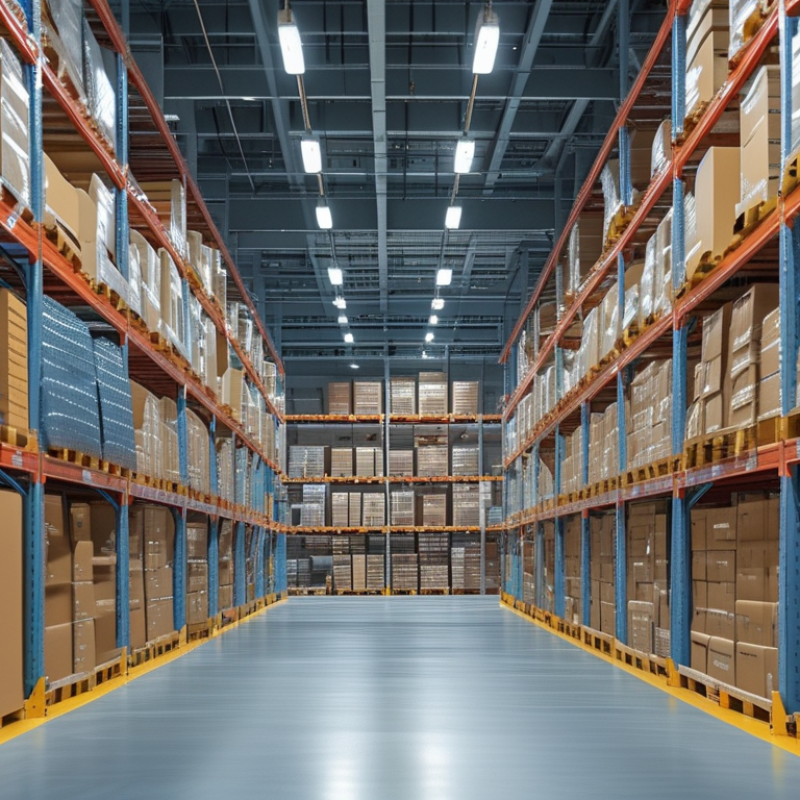
Automated Storage and Retrieval Systems (ASRS) play a crucial role in modern warehousing. They enhance efficiency by automating the storage and retrieval of goods. In today’s fast-paced supply chain environment, manual processes can lead to delays and errors. ASRS helps mitigate these issues by using advanced technology.
These systems vary in design and capabilities. Some are designed for high-density storage, while others focus on improving picking speeds. Each system has its own strengths. However, selecting the right ASRS is not a straightforward task. Buyers must consider their specific needs, such as space constraints and inventory types. This customization is essential for achieving optimal performance.
Challenges exist in implementation and operation. Organizations often face technical issues or resistance from staff. Training and adjustments are necessary. Investing in an ASRS is more than just buying a system; it requires a commitment to change processes. As warehouses evolve, continuous evaluation of these systems becomes important for maintaining efficiency and productivity.
When selecting Automatic Storage and Retrieval Systems (ASRS) in China, understanding key features is crucial. Efficiency is often measured by the throughput rate. Recent industry reports indicate that modern ASRS can achieve up to 1,000 items per hour, while older systems struggle with half that capacity. High efficiency ensures better inventory turnover and reduces holding costs.
Another vital aspect to consider is system flexibility. Many warehouses require adaptability to changing needs. The best ASRS options provide modular designs that easily adjust for different sizes of items. A study by the Logistics Management Association highlighted that around 70% of facilities value scalability in ASRS solutions. This feature allows businesses to adjust their storage capacity without significant capital expenditure.
Lastly, integration capabilities cannot be overlooked. An effective ASRS should seamlessly connect with existing warehouse management systems (WMS). Research suggests that over 60% of logistics projects fail due to poor integration. Ensuring compatibility mitigates risks. Buyers should carefully assess software capabilities before making decisions. In a rapidly evolving market, this will ensure sustained operational effectiveness.
Exploring ASRS systems in China reveals a blend of advanced technology and tailored solutions. These systems enhance warehouse efficiencies and minimize operational costs. Each model offers unique capabilities, catering to various industries such as retail, manufacturing, and logistics. The intricate designs often accommodate diverse product sizes, ensuring flexibility.
Tip: When considering ASRS systems, assess your specific needs. Evaluate factors like your inventory volume and order frequency. Not every system fits every operation perfectly.
While many systems boast high speed and accuracy, challenges remain. Some may struggle with integration into existing processes. Users often report difficulties in training staff on new systems. It’s crucial to weigh these factors against potential benefits.
Tip: Conduct a thorough analysis of vendor support. Reliable after-sales service can significantly affect long-term performance. A strong partnership can ease the transition and maximize efficiency gains.
Ultimately, understanding the capabilities of different ASRS systems empowers better decision-making. Each choice should align with your operational strategy and growth plans. A well-thought-out approach ensures a successful investment in automation technology.
As automation technology continues to evolve, Automated Storage and Retrieval Systems (ASRS) play a crucial role in streamlining warehouse operations. Evaluating pricing and performance of leading ASRS systems in China reveals significant insights for global buyers. Various factors affect pricing, including system design, storage capacity, and advanced features. Premium options offer greater efficiency but might not justify the added costs for all operations.
Performance metrics, such as retrieval speed and operational reliability, provide a clearer picture of system effectiveness. Efficient ASRS systems minimize downtime and enhance throughput. However, not all systems perform equally under varying loads. Buyers must carefully assess their specific needs to avoid over- or underinvestment.
Many buyers report unexpected challenges when integrating these systems. Installation can be complex and time-consuming. Training staff is often more demanding than anticipated. Gathering feedback from existing users can help navigate these hurdles. Clear understanding and research are vital to making informed decisions in this growing market.
Automation in warehouses is evolving rapidly in China. Automated Storage and Retrieval Systems (ASRS) play a crucial role in this shift. They enhance efficiency, reduce labor costs, and improve accuracy. In recent years, advancements in robotics and artificial intelligence have propelled ASRS technology into the spotlight.
Innovations focus on modular designs and enhanced scalability. These systems are now more adaptable, making them suitable for various warehouse sizes. Smart sensors and data analytics are also integrated, allowing real-time inventory management. This synergy lets businesses respond quickly to market changes and customer demands.
**Tip:** Assess your warehouse needs carefully. Not all ASRS systems fit every operational model.
Manufacturers are also exploring sustainability. Energy-efficient designs and eco-friendly materials are becoming standard. However, some challenges remain. Integrating ASRS with existing systems can be complex. Additional training for staff is often necessary, introducing potential delays.
**Tip:** Choose a system that offers comprehensive support and training. It’s essential to ensure a smooth transition.
| System Type | Capacity (Units/Hour) | Max Height (m) | Technology Features | Energy Efficiency Rating |
|---|---|---|---|---|
| Mini Load ASRS | 600 | 12 | Automated retrieval, compact design | A+ |
| Unit Load ASRS | 1000 | 20 | Versatile configurations, pallet handling | A |
| Shuttle ASRS | 800 | 15 | High-density storage, fast retrieval | A++ |
| Carousels ASRS | 500 | 10 | Rotational storage, efficient picking | B+ |
| Multi-Deep ASRS | 400 | 22 | Deep lane storage, optimal space usage | A |
| Robotic ASRS | 700 | 18 | Autonomous robots, flexible operations | A++ |
| Heavy Duty ASRS | 300 | 25 | Robust construction, high weight tolerance | B |
| Cold Storage ASRS | 450 | 15 | Temperature-controlled storage | A |
| Pharmaceutical ASRS | 350 | 8 | Specialized for medical and pharmaceutical storage | A++ |
| E-commerce ASRS | 900 | 18 | Optimized for fast order fulfillment | A+ |
SRS systems?
They enhance efficiency and reduce errors in warehousing, especially in fast-paced supply chains.
You should consider your specific needs, including space constraints and types of inventory before choosing.
Technical issues and staff resistance may arise. Training and process adjustments are often necessary.
Key features include efficiency, flexibility, and integration capabilities with existing warehouse systems.
Efficiency is often measured by the throughput rate, which indicates how many items are processed per hour.
Flexibility allows systems to adapt to changing storage needs, which is crucial for maximizing space and resources.
Poor integration can lead to logistics project failures, hindering overall operational effectiveness and efficiency.
Continuous evaluation is essential for maintaining productivity and adapting to changing warehouse dynamics.
Yes, ASRS systems come in various designs, each tailored for specific storage density or picking speed needs.
Automated Storage and Retrieval Systems (ASRS Systems) play a crucial role in modern warehousing, enhancing efficiency and accuracy in inventory management. As businesses strive to optimize their supply chain operations, selecting the right ASRS Systems becomes essential. Key features such as system compatibility, scalability, and automation capabilities should be carefully considered.
In the analysis of the top 10 ASRS Systems in China, each system is examined for its unique capabilities and performance metrics, allowing buyers to make informed decisions. Additionally, a comparative analysis highlights the pricing structures and overall performance of these systems, enabling global buyers to understand the value proposition of various solutions. Future trends indicate a continuous evolution of ASRS technology in China, with innovations aimed at improving operational efficiency and integrating advanced technologies.

Xinyi Racking