In the ever-evolving landscape of logistics and warehousing, the importance of effective Pallet Storage solutions cannot be overstated. Industry expert Dr. Emily Carter, a renowned consultant in supply chain management, emphasizes, “Efficient pallet storage is the backbone of operational success.” As global buyers seek the best storage options for their businesses, understanding the nuances of pallet systems becomes crucial.
Effective pallet storage aids businesses in maximizing space while ensuring easy access to products. Companies often face challenges with outdated systems and limited flexibility. These issues can lead to wasted resources and lost productivity. It’s essential to reflect on current practices and explore innovative solutions that cater to dynamic market demands.
Investing in advanced pallet storage systems not only boosts efficiency, but also enhances safety in warehouses. As experts suggest, reviewing existing strategies can highlight areas for improvement. Embracing new technologies can transform pallet storage into a competitive advantage. Yet, some organizations hesitate to adapt, resulting in missed opportunities. The challenge lies in balancing cost and innovation for sustainable growth.
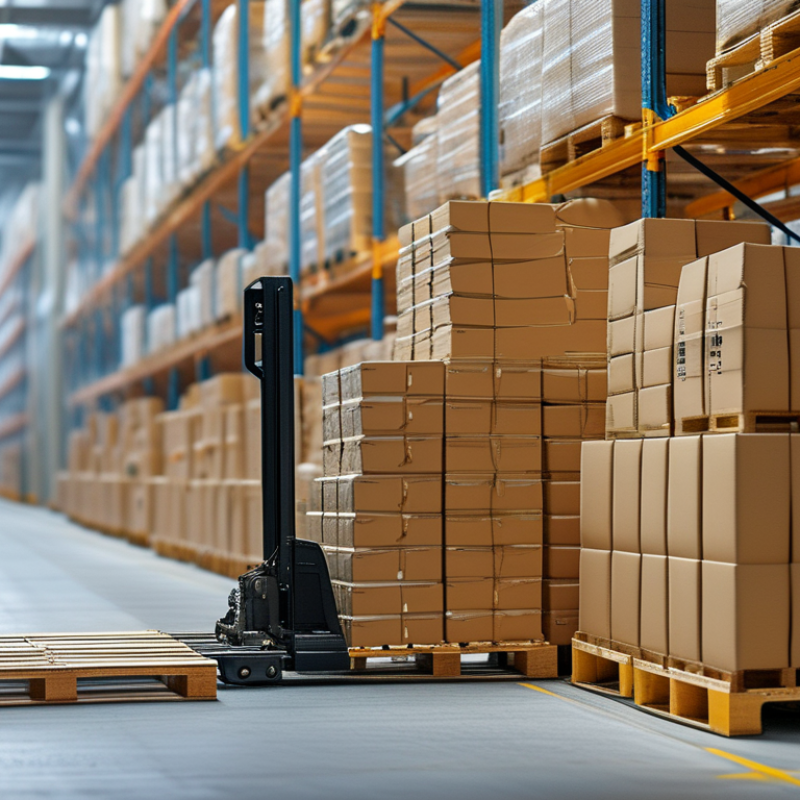
Pallet storage solutions play a crucial role in global markets today. They offer efficient ways to manage inventory and optimize space. As businesses grow, the demand for versatility in pallet options increases. Companies need systems that adapt to various products and warehouse layouts.
Innovative designs are emerging, focusing on durability and safety. Adjustable racking systems stand out. They provide flexibility for different pallet sizes. Moreover, automated solutions are gaining traction. These systems enhance speed and accuracy during storage and retrieval processes. However, the implementation of such technologies often requires a significant investment.
Despite the many available solutions, challenges persist. Not all companies have the infrastructure to support advanced systems. Smaller businesses may struggle with initial costs and training. Regular maintenance and updates are essential for any storage solution. Failure to adapt can lead to inefficiencies over time. Businesses must assess their needs carefully before committing to specific technologies.
When considering pallet storage systems, selecting the right type is crucial. Various systems, such as selective racks, drive-in racks, and pallet flow racking, cater to different needs. Selective racks are versatile, allowing easy access to each pallet. They work well for businesses with diverse products. Drive-in racks, on the other hand, maximize storage density. They are suitable for large quantities of similar items but can complicate inventory tracking.
Pallet flow systems provide a first-in, first-out (FIFO) method. They utilize gravity to move pallets down the rack. This design is ideal for perishable goods and reduces spoilage. However, they require more initial investment and careful planning. Evaluating your inventory turnover and product type is essential before deciding. Each option presents advantages and challenges that need consideration.
Another aspect is the layout of the warehouse. An efficient layout can enhance workflow. Poorly designed systems may lead to unnecessary delays and costs. It's important to assess the size, dimensions, and access points of your space. Often, businesses overlook these details, which can hinder operational efficiency. Always reflect on the specific requirements of your warehouse. Balancing space, cost, and accessibility will yield the best outcome.
When it comes to selecting a pallet storage solution, there are crucial factors buyers must consider. The layout of the warehouse plays a pivotal role. A well-structured space can improve accessibility and workflow efficiency. According to a report by the Warehousing Education and Research Council, optimal use of space can yield a 20% increase in storage efficiency.
Another key aspect is load capacity. Understanding the maximum weight a pallet storage system can hold is vital. Miscalculations can lead to accidents and system failures. Diverse materials offer different strength levels, so knowing the specific requirements is essential. A study by The Logistics Management found that 30% of warehouse mishaps stem from inadequate knowledge of equipment capabilities.
Moreover, scalability should not be overlooked. Businesses evolve, and storage needs change with them. A solution that accommodates future growth offers long-term viability. Investing in scalable systems can save costs and reduce the need for frequent upgrades. However, buyers often underestimate the importance of adaptability and flexibility in their choices. The challenge lies in finding a balance between current needs and future demands.
Innovative technologies are transforming pallet storage solutions. Smart shelving systems now use sensors to monitor inventory levels in real time. These systems alert managers when stock is running low. This not only reduces waste but also enhances efficiency in operations.
Automated storage and retrieval systems are gaining popularity too. They can move pallets quickly and accurately, minimizing labor costs. Robots are increasingly handling heavy loads, allowing human workers to focus on complex tasks. However, these technologies can be expensive to implement initially. It's essential for businesses to evaluate their long-term benefits against upfront costs.
Another notable trend is the use of artificial intelligence. AI-driven analytics can optimize warehouse layouts and improve space utilization. This technology helps predict demand patterns too. Yet, businesses must ensure their workforce is trained to use these advanced systems effectively. As with any innovation, there will be a learning curve, and companies need to address it to harness the full potential of these solutions.
| Solution Type | Storage Capacity (pallets) | Technology Used | Key Features | Estimated Cost (USD) |
|---|---|---|---|---|
| Automated Storage & Retrieval System | 500 | Robotics | High efficiency, reduced labor costs | $150,000 |
| Mobile Pallet Racking | 300 | Mechanical | Space-saving, flexible access | $80,000 |
| Drive-In Racking | 600 | Static | High density storage, FIFO management | $45,000 |
| Cantilever Racking | 200 | Static | Suitable for long items, adjustable | $35,000 |
| Vertical Lift Modules | 400 | Automated | Compact design, fast retrieval | $120,000 |
The future of pallet storage in global supply chains is evolving rapidly. Research indicates that the warehouse management sector is projected to grow substantially, with an expected CAGR of 14.5% from 2022 to 2030. This growth underscores the urgency for innovative pallet storage solutions that cater to increasingly complex supply chains. Automation is becoming a key trend, with around 60% of warehouses adopting automated systems to enhance efficiency and reduce human error.
Sustainability is also gaining momentum. Companies are looking to implement eco-friendly practices. According to a recent report, 70% of supply chain professionals plan to integrate sustainable materials into their storage solutions. However, challenges remain. The transition to sustainable materials often involves higher initial costs and requires careful integration into existing processes.
Data-driven decision-making is another critical aspect of future trends. Analysts emphasize the importance of real-time data for optimizing pallet storage. Yet, many organizations struggle with data integration. Approximately 50% of businesses report difficulties in utilizing data effectively. This highlights the need for improved strategies to harness data for maximizing storage efficiency while minimizing waste.
: The main types include selective racks, drive-in racks, and pallet flow racking, each serving different needs.
Selective racks allow for easy access to each pallet, making them ideal for diverse product ranges.
Drive-in racks can complicate inventory tracking, despite maximizing storage density for similar items.
They utilize a FIFO method, reducing spoilage by leveraging gravity to move pallets efficiently.
A well-structured layout can enhance workflow and efficiency, while poor designs may cause delays.
Understanding load capacity is vital to prevent accidents and ensure safe operation of storage systems.
Scalability allows businesses to adapt to changing storage needs, ensuring long-term viability without frequent upgrades.
Automation is increasing, with many warehouses adopting it to enhance efficiency and reduce human error.
Many companies aim to integrate sustainable materials, although initial costs can be a barrier.
Approximately 50% struggle to utilize data effectively, highlighting the need for improved data strategies.
The article titled "2026 Best Pallet Storage Solutions for Global Buyers" provides a comprehensive overview of various pallet storage solutions tailored for global markets. It categorizes different types of pallet storage systems and discusses their specific applications, highlighting how businesses can select the most suitable options based on their unique needs. Key factors such as space optimization, load capacity, and operational efficiency are examined, guiding buyers in making informed choices.
Additionally, the article delves into innovative technologies that enhance pallet storage efficiency, such as automation and advanced inventory management systems. It also explores future trends in pallet storage that are expected to shape global supply chains, emphasizing the importance of adaptability and sustainability in modern logistics. Overall, the insights presented empower businesses to improve their pallet storage strategies effectively.

Xinyi Racking